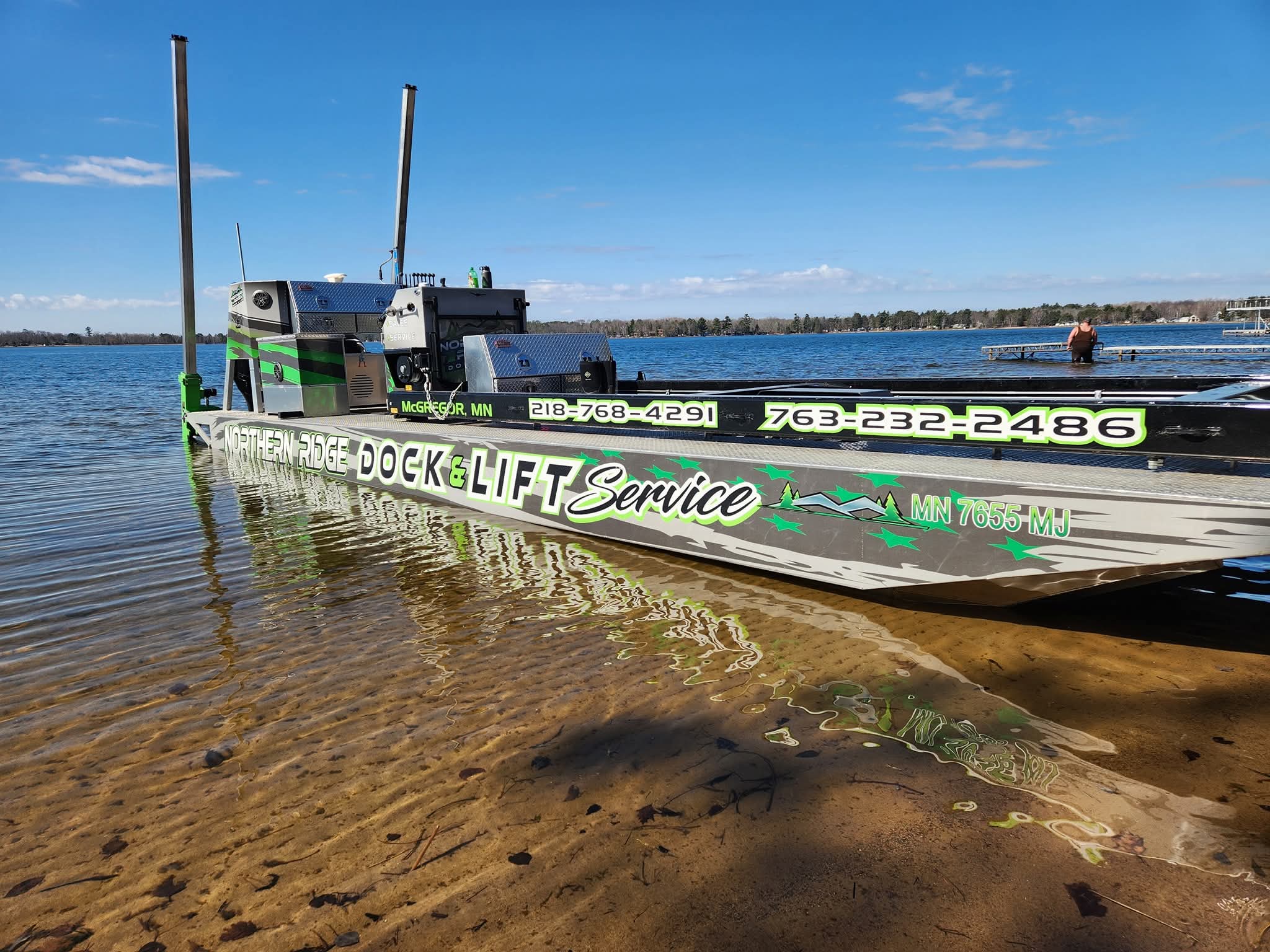
Ultimate Guide to Sustainable Landscaping: Insights from Northern Ridge Jun 29, 2026
The first step in creating a sustainable landscape revolves around the thoughtful selection of native plants. Not all plants are created equal when it comes to environmental impact. By choosing plants that are indigenous to your region, you ensure that your garden will require less water, be more resistant to local pests, and support local wildlife. Native plants are adapted to the local climate and soils, reducing the need for fertilization and irrigation, which in turn conserves water and minimizes chemical use.
Next, consider implementing efficient water management practices. Water-wise landscaping is essential in a world where water resources are increasingly precious. Techniques such as rainwater harvesting, the use of drip irrigation systems, and the creation of rain gardens can be highly effective. These practices not only conserve water but also help manage stormwater runoff, making your yard more resilient to heavy rains and reducing pressure on municipal systems.
Another crucial aspect of sustainable landscaping is soil health. Healthy soil can store more carbon, support a wider range of microorganisms, and resist erosion better than depleted dirt. Composting yard waste and kitchen scraps is an excellent way to enhance soil fertility and structure, providing much-needed nutrients to your plants. Additionally, practices like mulching can help regulate soil temperature, retain moisture, and suppress weeds, contributing to overall ecosystem health.
Incorporating hardscaping elements wisely is also part of sustainable landscaping. Opt for permeable materials when laying paths or patios to allow water to infiltrate into the ground, replenishing groundwater and reducing runoff. Materials such as gravel, permeable pavers, or wood chips, can serve effectively while adding aesthetic value to your landscape.
Of course, maintaining a sustainable landscape requires regular upkeep, but these tasks need not be arduous. At Northern Ridge Dock & Lift, we recommend organic practices for pest control and lawn care. By using environmentally friendly products and techniques, you maintain the ecological balance in your garden. Companion planting and the introduction of beneficial insects can naturally reduce pest populations, minimizing the need for chemical pesticides.
Sustainability in landscaping doesn’t mean sacrificing beauty for the sake of the environment. On the contrary, it allows you to create a harmonious space that is both attractive and kind to nature. By following these insights from Northern Ridge Dock & Lift, you can set your landscape on a path to long-term sustainability.
In conclusion, sustainable landscaping is within reach for every homeowner. By selecting native plants, managing water wisely, maintaining soil health, incorporating sustainable hardscaping, and using organic care practices, you can create an outdoor space that meets your aesthetic desires while supporting the environment. As you embark on this rewarding journey, remember that the team at Northern Ridge Dock & Lift is here to assist with expert advice and dedicated service to help you achieve your sustainable landscape goals.
/filters:no_upscale()/filters:format(webp)/media/957974db-3896-48af-b83a-9f70fd72cad1.jpeg)
/filters:no_upscale()/filters:format(webp)/media/88bcc1e1-af86-4cdf-adbb-14e3860635d4.jpeg)